Author: amaltasadmin

  • Trezor Suite Web : Sécurité sans Installation – Mythe ou Réalité ?

    Un utilisateur français cherche à gérer son portefeuille Bitcoin sur plusieurs ordinateurs. L’installation d’une application de bureau à chaque fois présente des frictions : téléchargement, vérification, mise à jour, gestion de plusieurs versions selon le système d’exploitation. La promesse d’une trezor suite web accessible directement depuis un navigateur Chromium semble séduisante. Mais cette commodité masque une question fondamentale : un navigateur web peut-il offrir le même niveau de sécurité qu’une application de bureau complètement isolée, sachant que le code s’exécute dans un environnement partagé avec des onglets, des extensions, et des contextes de sécurité moins contrôlés ?

    La réalité dépend entièrement de la compréhension des modèles de menaces distincts entre une application web et une application native. Trezor Suite propose les deux versions pour une raison : elles n’offrent pas la même surface d’attaque. La version web a ses forces — portabilité, pas d’installation système — mais elle a aussi des faiblesses inhérentes au navigateur lui-même. Examiner ces différences sans parti pris permet d’évaluer si le gain en commodité justifie les compromis en isolement cryptographique et en défense contre les malveillances du système.

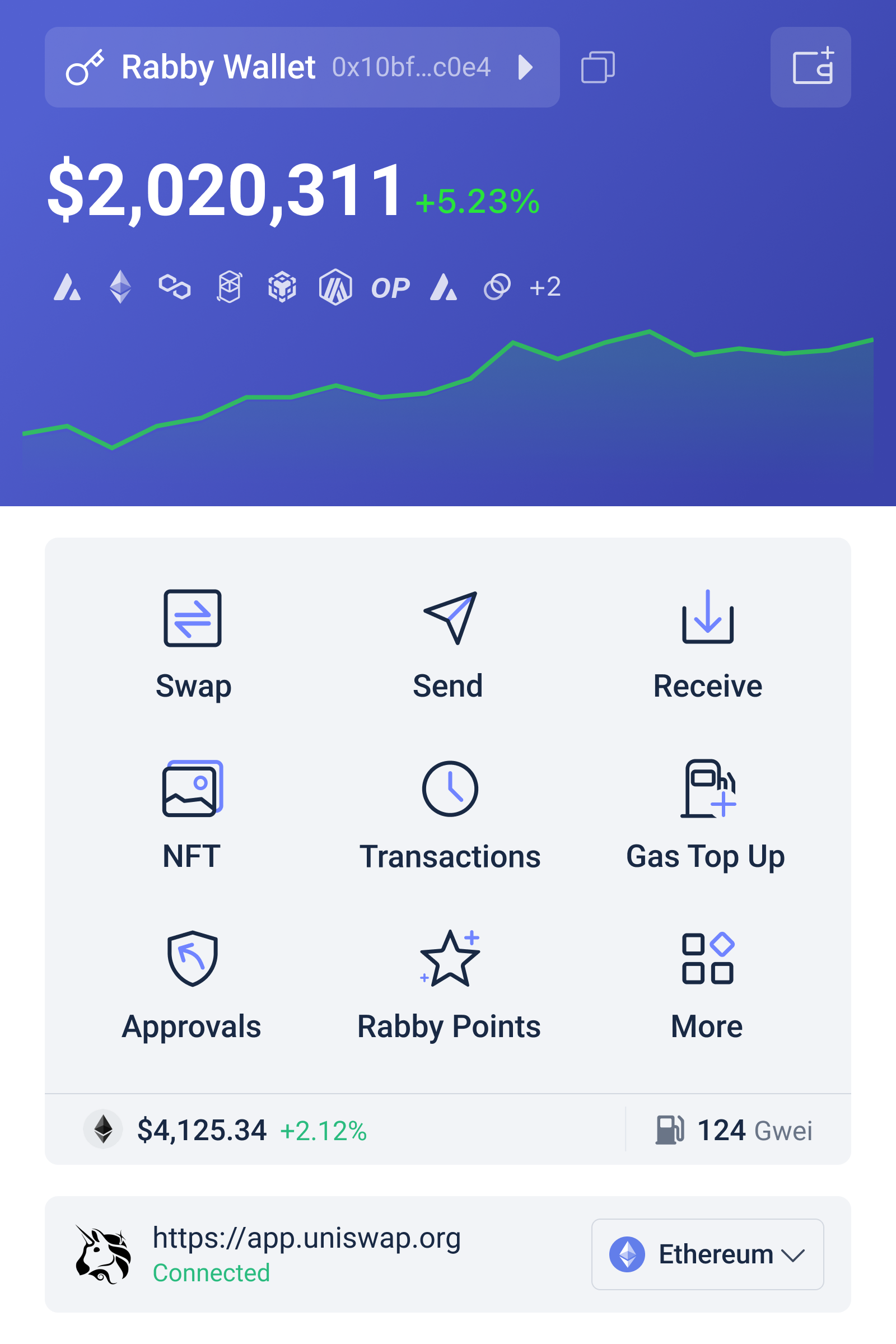
    Interface de Trezor Suite Web montrant la vérification de connexion et les contrôles de sécurité du navigateur

    Les fondamentaux de la vérification firmware dans Trezor Suite Web

    Chaque fois qu’un utilisateur connecte un appareil Trezor au navigateur, trezor suite web effectue une vérification cryptographique du firmware installé sur le périphérique matériel. Cette vérification utilise SHA256 pour confirmer que le code n’a pas été modifié depuis sa compilation par SatoshiLabs. Le processus n’est pas une simple comparaison de chaînes de caractères ; c’est une validation mathématique de l’intégrité de chaque octet exécuté sur la clé matérielle.

    Le détail crucial est que cette vérification se produit à chaque connexion, pas une seule fois lors du premier appairage. Si un attaquant réussissait à injecter du code malveillant dans le firmware du Trezor — un scénario extrêmement difficile qui nécessiterait un accès physique prolongé ou une faille zero-day dans le processus de signature — la version web détecterait immédiatement l’anomalie. Le navigateur afficherait une alerte, et l’utilisateur ne pourrait pas continuer jusqu’à ce que le firmware soit restauré.

    Cependant, cette protection dépend d’une chaîne de confiance complète. Le serveur suite.trezor.io qui fournit le code de la version web doit lui-même être sécurisé. Les certificats TLS doivent être valides. La connexion WebUSB ou HID entre le navigateur et l’appareil Trezor doit fonctionner sur une chaîne non compromise. Un attaquant qui contrôlerait le DNS et redirigerait vers un faux site pourrait présenter un faux résultat de vérification. C’est pourquoi la confiance commence par le choix de l’URL et la vérification du certificat SSL dans la barre d’adresse du navigateur.

    SatoshiLabs publie le code source complet sur GitHub, permettant à des tiers de vérifier que les hashes SHA256 intégrés correspondent réellement aux binaires. Cette transparence est un atout majeur, mais elle nécessite que quelqu’un effectue réellement l’audit. Un utilisateur moyen ne peut pas compiler le firmware et valider les hashes lui-même. Il dépend soit de la réputation de SatoshiLabs, soit de rapports d’audit indépendants publiés en ligne.

    Pourquoi un navigateur n’est pas une application isolée

    Une application de bureau comme Trezor Suite sur Windows, macOS ou Linux s’exécute en tant que processus distinct avec son propre espace mémoire, ses propres permissions système, et son propre cycle de vie. Elle ne partage pas la mémoire avec d’autres applications. Elle n’est pas affectée par les onglets ouverts dans un navigateur. Elle a accès direct aux interfaces matériel (USB) et peut contrôler les permissions à travers le système d’exploitation.

    Une version web, même hébergée sur suite.trezor.io, s’exécute à l’intérieur du bac à sable (sandbox) du navigateur. Ce bac à sable offre une isolation considérable contre les sites web malveillants, mais il n’isole pas automatiquement contre les autres onglets, les extensions du navigateur, ou les malveillances systématiques du système d’exploitation lui-même. Si le navigateur lui-même est compromis — par une extension malveillante, un navigateur contrefait, ou une faille zéro-jour — le bac à sable peut être contourné.

    Les extensions de navigateur posent un risque spécifique. Une extension qui prétend améliorer les performances ou ajouter une fonctionnalité peut techniquement accéder à tous les onglets ouverts, y compris suite.trezor.io. Elle ne peut pas accéder directement aux clés privées stockées sur le Trezor — elles ne quittent jamais l’appareil matériel — mais elle pourrait modifier l’interface utilisateur, intercepter les adresses affichées, ou enregistrer les transactions que l’utilisateur approuve. Une extension qui affiche une fausse adresse de réception pourrait rediriger des fonds vers un portefeuille attaquant, même si la clé matérielle reste sécurisée.

    La défense contre ce scénario n’est pas technique ; elle est comportementale. Les utilisateurs doivent examiner attentivement les extensions installées, désactiver celles qu’ils ne reconnaissent pas, et éviter les navigateurs modifiés fournis par des sources non officielles. La commodité de ne pas installer d’application ne doit pas se transformer en négligence lors de la sélection des extensions du navigateur.

    Phishing, certificats SSL et vérification d’origine

    L’une des défenses les plus efficaces de Trezor Suite Web contre le phishing est la vérification du certificat SSL. Lorsqu’un navigateur se connecte à suite.trezor.io, il valide que le certificat a été émis par une autorité de certification de confiance et qu’il correspond au domaine demandé. Un attaquant ne peut pas créer un certificat valide pour suite.trezor.io en utilisant un autre domaine ; les certificats ne fonctionnent que pour le domaine pour lequel ils ont été émis.

    Cependant, un attaquant peut créer un domaine superficiellement similaire : suite-trezor.io, trezor-suite.io, ou autres variantes. Un utilisateur inattentif pourrait cliquer sur un lien dans un email de phishing et se retrouver sur ce faux site. Un faux site peut afficher une interface qui ressemble exactement à la version légitime, demander à l’utilisateur d’approuver une transaction, et même afficher une vraie demande de signature du Trezor matériel si l’utilisateur l’a connecté.

    La protection réside dans le fait que le faux site ne peut pas contrôler l’appareil Trezor lui-même. Si l’utilisateur approuve une transaction sur un faux site, le Trezor matériel la recevra aussi, mais le texte affiché sur l’écran du navigateur pourrait ne pas correspondre à ce que le Trezor affiche sur son petit écran. Comparer les deux écrans — le navigateur et l’écran du Trezor — permet de détecter la plupart des attaques par phishing. Un Trezor affichera toujours l’adresse de destination réelle ; le navigateur ne peut pas mentir à ce sujet.

    Cette vérification croisée est un élément fondamental de la conception. L’utilisateur ne doit jamais faire entièrement confiance à l’écran du navigateur seul. Le petit écran du Trezor matériel, qui ne peut être contrôlé que par le firmware du Trezor lui-même, est la source de vérité. Pour un montant ou une adresse critiques, il faut toujours vérifier que ce que montre le navigateur correspond à ce que montre l’écran du Trezor.

    Accès réseau, proxies et exposition métadonnées

    Contrairement à une application de bureau qui pourrait être exécutée complètement hors ligne ou derrière un proxy Tor, la version web de trezor suite web dépend d’une connexion HTTPS à suite.trezor.io. Cela signifie que le serveur de SatoshiLabs, ainsi que tous les intermédiaires réseau (FAI, routeurs, points d’accès WiFi), peuvent observer que l’utilisateur se connecte à Trezor à un moment donné spécifique.

    Cette exposition métadonnées ne révèle pas les clés privées ou les portefeuilles associés — TLS chiffre le contenu — mais elle révèle le comportement. Un adversaire surveillant le réseau peut noter les heures auxquelles quelqu’un gère son portefeuille. Combiné avec d’autres données, cela pourrait servir à des fins d’analyse de trafic ou de renseignement. Une application de bureau offre plus de flexibilité : elle peut se connecter via un proxy, utiliser Tor, ou être exécutée sur un réseau isolé.

    Pour les utilisateurs en environnement hostile — régimes autoritaires, réseaux fortement surveillés, ou menaces de rançon ciblées — la version web pose un risque d’exposition que la version de bureau peut atténuer. Pour les utilisateurs ordinaires, le risque métadonnées est généralement secondaire par rapport aux risques de phishing ou de malveillance locale.

    Trezor Suite ne nécessite pas de compte utilisateur ou d’authentification. Chaque visite à suite.trezor.io est une session nouvelle. SatoshiLabs declare ne pas enregistrer les adresses IP ou les requêtes individuelles de manière persistante. Cette politique confère un avantage sur les services d’échange centralisés qui lient chaque action à un profil utilisateur. Néanmoins, la confiance dans une politique de confidentialité dépend de la fiabilité du serveur et de la capacité à vérifier l’implémentation.

    Malveillances du système d’exploitation et isolation matérielle

    Si le système d’exploitation lui-même est compromis — un rootkit, un spyware, ou un logiciel malveillant avec privilèges administrateur — ni la version web ni la version de bureau de Trezor Suite ne peuvent offrir une protection totale. Un malveillance au niveau système peut observer toutes les entrées clavier, capturer les écrans, modifier l’interface USB, ou même décrypter le trafic TLS en temps réel.

    Cependant, la version de bureau offre légèrement plus de contrôle. Un utilisateur peut exécuter une application de bureau sur une machine virtualisée, un dual-boot dédié, ou une distribution Linux de confiance, complètement isolée du système d’exploitation principal. La version web nécessite un navigateur, qui nécessite un système d’exploitation fonctionnel, ce qui réduit les options d’isolement extrême.

    Pour la plupart des utilisateurs, cette distinction théorique n’est pas pertinente. Un vrai malveillance au niveau système signifie généralement que l’ordinateur a été physiquement compromis ou qu’une faille zéro-day a été exploitée. À ce niveau, aucune application logicielle, web ou native, ne peut offrir une protection fiable. La défense principale est de maintenir le système d’exploitation à jour, d’utiliser un antivirus réputé, d’éviter les téléchargements suspects, et de préserver l’intégrité physique de l’ordinateur.

    La vraie valeur du Trezor réside dans le fait que les clés privées ne quittent jamais l’appareil matériel. Même avec un système d’exploitation compromis, un utilisateur ne peut pas voler les clés directement ; il faut toujours que l’utilisateur approuve chaque transaction sur l’écran du Trezor. Une malveillance ne peut pas fabriquer une signature sans l’appareil physique.

    Comparaison directe : version web versus application de bureau

    La version web de trezor suite web excelle dans les scénarios de portabilité. Un utilisateur peut accéder à son portefeuille depuis n’importe quel ordinateur avec un navigateur Chromium à jour, sans installation. Cela réduire les frictions pour les utilisateurs ayant accès à plusieurs machines ou travaillant dans des environnements où l’installation de logiciels est restreinte.

    L’application de bureau, en revanche, nécessite une installation initiale, mais elle offre un isolement supérieur une fois installée. Elle dispose d’un processus dédié, de permissions système granulaires, et d’une surface d’attaque réduite par rapport à un navigateur avec plusieurs onglets et extensions. Elle fonctionne également hors ligne si nécessaire — l’interface utilisateur peut s’afficher sans connexion, bien que la signature des transactions nécessite la connexion à l’appareil Trezor.

    Pour les montants critiques ou les portefeuilles d’une valeur importante, l’application de bureau est généralement recommandée. Pour les opérations occasionnelles, les montants faibles, ou les environnements où l’installation est impossible, la version web offre un compromis acceptable si l’utilisateur reste vigilant face au phishing et gère ses extensions.

    Un utilisateur rationnel pourrait aussi utiliser les deux. Utiliser la version web pour vérifier les soldes et les adresses, puis passer à l’application de bureau pour les transactions sensibles, offre une flexibilité maximale sans sacrifier complètement la sécurité. Les deux versions partagent la même logique de vérification firmware et de signature matérielle, de sorte que le niveau de confiance dans l’appareil Trezor lui-même reste identique.

    Les limites réelles de la conception Trezor Suite Web

    Aucune interface logicielle, web ou native, ne peut complètement éliminer les erreurs de l’utilisateur. Un utilisateur peut toujours approuver une transaction vers une mauvaise adresse s’il ne vérifie pas correctement l’écran du Trezor matériel. La version web n’aggrave pas ce risque, mais elle ne le réduit pas non plus. Le petit écran du Trezor reste la vérification finale, indépendante du transport logiciel utilisé.

    Un autre risque est l’interruption ou la modification en transit. Si une requête API vers le serveur de SatoshiLabs est interceptée ou modifiée, la version web pourrait potentiellement recevoir des données corrompues. L’application de bureau utilise les mêmes endpoints, donc ce risque existe aussi. La différence est que l’application de bureau pourrait être configurée pour utiliser des endpoints alternatifs ou des proxies, tandis que la version web est fixée à suite.trezor.io.

    La gestion des mises à jour pose aussi une distinction. La version web reçoit les mises à jour automatiquement à chaque visite — le code chargé provient toujours de la version actuelle sur les serveurs de SatoshiLabs. L’application de bureau peut être mise à jour manuellement ou automatiquement selon la configuration, mais un utilisateur qui choisit de ne pas mettre à jour reste sur une version antérieure. Pour un utilisateur qui veut éviter une mise à jour problématique, c’est un avantage. Pour un utilisateur qui oublie de mettre à jour, c’est un risque de sécurité.

    Enfin, la détermination de la véritable source de Trezor Suite Web dépend complètement de la sécurité des serveurs DNS et des certificats de SatoshiLabs. Si une autorité de certification a été compromise ou si une attaque DNS a réussi, un utilisateur pourrait être redirigé vers un faux site sans le savoir. Les navigateurs modernes offrent une protection contre les sites phishing reconnus, mais pas contre tous les faux sites possibles. L’application de bureau téléchargée à partir de trezor.io et vérifiée en utilisant les hashes PGP publiés dépend aussi de la sécurité du site, mais elle représente une décision unique plutôt qu’une confiance répétée à chaque visite.

    Pratiques de sécurité pour utiliser Trezor Suite Web sans risque

    Si un utilisateur choisit la version web, plusieurs mesures concrètes réduisent le risque. D’abord, vérifier l’URL dans la barre d’adresse avant de se connecter. Chercher le certificat SSL valide (le cadenas vert) et confirmer que le domaine est exactement suite.trezor.io, pas une variante. Mettre en signet cette page pour éviter de cliquer sur des liens provenant d’emails ou de résultats de recherche.

    Ensuite, auditer les extensions du navigateur. Supprimer toutes les extensions inutiles ou inconnues. Si possible, utiliser un profil de navigateur séparé ou une fenêtre de navigateur privée (incognito) dédiée à Trezor, sans extensions installées. Cela isole l’interface de Trezor des extensions susceptibles de modifier le contenu.

    Toujours vérifier les transactions sur l’écran du Trezor matériel lui-même. Ne pas faire confiance uniquement au texte affiché dans la fenêtre du navigateur. L’adresse de destination, le montant, et les frais affichés sur le Trezor doivent correspondre exactement à ce qui est montré dans le navigateur.

    Garder le système d’exploitation et le navigateur à jour. Les mises à jour incluent des correctifs de sécurité critiques pour le bac à sable du navigateur et la validation SSL. Utiliser un antivirus et un pare-feu configurable offre une couche supplémentaire de défense contre les malveillances systémiques.

    Pour les portefeuilles de grande valeur, envisager une approche hybride : utiliser l’application de bureau pour les transactions en ligne, conserver une copie de l’application de bureau vérifiée dans une partition isolée ou une machine virtuelle, et utiliser la version web uniquement pour vérifier les soldes depuis des lieux publics ou non fiables. Cette stratégie utilise la portabilité de la version web tout en préservant l’isolement de l’application de bureau pour les opérations sensibles.

    Questions fréquemment posées

    La version web de Trezor Suite offre-t-elle le même niveau de sécurité que l’application de bureau ?

    Presque, mais pas exactement. Les deux versions effectuent la même vérification firmware et utilisent le même appareil matériel pour signer les transactions. La différence réside dans l’isolement : l’application de bureau s’exécute dans son propre processus avec moins de partage de ressources, tandis que trezor suite web s’exécute à l’intérieur du bac à sable du navigateur, qui partage l’espace avec des onglets, des extensions, et des malveillances potentielles du navigateur lui-même. Pour la plupart des utilisateurs, la version web est suffisamment sécurisée si les bonnes pratiques sont respectées.

    Que se passe-t-il si je visite un faux site qui ressemble à Trezor Suite Web ?

    Un faux site peut afficher une interface identique et même demander l’approbation d’une transaction. Cependant, il ne peut pas contrôler l’appareil Trezor matériel lui-même. Si vous approuvez une transaction, le Trezor affichera l’adresse de destination réelle sur son écran. Comparer ce que montre l’écran du Trezor avec ce que montre le navigateur révélera la fraude. Toujours vérifier l’URL exacte (suite.trezor.io, avec certificat SSL valide) et ne jamais approuver une transaction sans vérifier l’écran du Trezor.

    Dois-je utiliser Trezor Suite Web ou l’application de bureau ?

    Cela dépend de vos besoins. La version web offre la portabilité et ne nécessite pas d’installation ; utilisez-la pour vérifier les soldes depuis différents ordinateurs. L’application de bureau offre un isolement supérieur et est recommandée pour les transactions de montants élevés ou sensibles. Vous pouvez utiliser les deux : trezor suite web pour les vérifications rapides, l’application de bureau pour les opérations critiques. Les clés privées restent sur le Trezor dans les deux cas.
  • Regulated Trading in a U.S. Prediction Market: How Kalshi Event Contracts Actually Work

    Imagine opening an account because you want to express a view about an upcoming economic release, a weather outcome, or another clearly defined public event. The decision may look simple: buy a contract that pays if an outcome occurs, or take the opposite side if you think it will not. But the important question is not merely whether the forecast is right. It is whether the contract’s wording is precise, whether the settlement source is reliable, whether the price reflects genuine information, and whether your account and funds are protected by sound operational controls.

    That is the useful way to approach Kalshi, a U.S. regulated exchange and prediction market where participants buy and sell event contracts tied to real-world outcomes. The platform turns forecasts into tradable positions, but it does not turn uncertainty into certainty. Its distinctive value lies in making a forecast explicit, priced, and risk-limited—while its main risks arise from interpretation, liquidity, concentration, technology, and human overconfidence.

    Illustration representing regulated event contracts and the risks of trading forecasts on real-world outcomes

    What an event contract represents

    An event contract is a position whose financial result depends on a defined outcome. In a simple yes-or-no structure, one side benefits if the stated event occurs and the other side benefits if it does not, subject to the contract’s rules and settlement process. The market price is therefore more than a quote: it is a compact expression of what buyers and sellers are collectively willing to pay for exposure to a conditional result.

    This structure creates a useful mental model. A contract is not the event itself, and it is not a guarantee about the future. It is a rule-bound claim about how a specified event will be classified after the relevant information becomes available. That distinction matters because two contracts that appear to ask the same question may have different definitions, deadlines, data sources, or settlement procedures.

    For example, a market involving an economic indicator may depend on a particular release, revision status, geographic scope, and threshold. A weather-related contract may depend on a named location, a measurement method, and a stated time window. The headline invites a forecast; the rulebook determines the payoff. Experienced participants read both.

    Why regulation changes the risk discussion

    Calling a market regulated does not mean every trade is safe or every forecast is accurate. Regulation can establish an important framework for market operation, oversight, disclosures, and customer protections, but it does not remove market risk. A position can still lose because the event goes the other way, because the market is thin, or because the trader misunderstood a technical condition.

    The practical benefit of a regulated venue is that it places trading inside a formal operating structure rather than leaving participants to rely solely on an informal counterparty or an opaque settlement promise. That can improve accountability and make the venue’s rules more consequential. It also means users should treat account access, identity verification, funding procedures, and official communications as part of the trading environment—not as administrative details separate from risk management.

    A common misconception is that a regulated exchange eliminates the need for personal security discipline. In reality, regulation and security operate at different layers. Oversight addresses the venue’s obligations and market structure; the user remains responsible for protecting credentials, reviewing account activity, avoiding fraudulent links, and controlling exposure. A strong framework at the exchange level cannot compensate for a compromised email account or an impulsive trading decision.

    Readers seeking the platform’s current rules, product information, and account procedures should begin with the kalshi official site and verify that they are using an authentic source before entering credentials or transferring funds.

    Security is a chain, not a single feature

    The security of event-contract trading is best understood as a chain with several links. The first is account access: strong, unique credentials and available multi-factor protections reduce the chance that someone else can enter the account. The second is device security. A compromised phone or computer can undermine otherwise careful account practices. The third is transaction awareness: users should know where money is going, what position is being opened, and whether an instruction is genuine.

    The fourth link is market and settlement verification. Traders should inspect the contract language, the outcome definitions, the relevant time period, and the stated source used to determine the result. This is especially important when an event has multiple preliminary reports, revisions, competing measurements, or ambiguous public descriptions. A trader can make a reasonable real-world forecast and still lose because the contract measures a narrower or different proposition.

    The fifth link is behavioral. Security is often discussed as protection against hackers, but poor risk decisions can be just as damaging. Chasing a moving price, increasing a position after a loss, or treating a high-probability contract as a guaranteed outcome can convert a bounded trade into an uncontrolled pattern of exposure. Operational discipline includes knowing when not to trade.

    Price, probability, and the limits of the market signal

    Event-contract prices are often read as rough probabilities, but that interpretation has boundaries. A price reflects the interaction of forecasts, liquidity, fees or other trading costs where applicable, strategic behavior, and the needs of participants who may be trading for reasons beyond pure prediction. It is therefore better understood as a market-implied assessment under current conditions, not as an objective probability handed down by the platform.

    Liquidity is central to this distinction. In a deep market, a new piece of information may be incorporated through many competing orders. In a thin market, a relatively small order can move the displayed price substantially. The latest quote may then reveal as much about temporary supply and demand as it does about the underlying event. A trader who treats every price movement as new information risks confusing market mechanics with news.

    There is also an information-selection problem. Participants may be especially active around events they already understand, while other markets attract attention because they are emotionally salient or easy to discuss. That can make some prices informative and others noisy. A market’s existence is not proof that it contains enough independent knowledge to produce a reliable forecast.

    The most defensible use of a market price is comparative and conditional: given the current rules, available information, and trading conditions, what does the price imply, and how much would have to change for that implication to become less credible? This approach is more useful than asking whether the market is simply “right.”

    A practical framework for managing exposure

    Before placing a trade, separate four questions that are frequently collapsed into one. First, what exactly is being measured? Second, what outcome do you consider more likely? Third, what could make your interpretation wrong? Fourth, how much can you lose without affecting essential finances? The first two concern analysis; the last two concern risk management. A good forecast does not justify an unsuitable position size.

    It is also helpful to distinguish event risk from platform risk. Event risk is the chance that the outcome differs from your expectation. Platform risk includes account-access problems, technology failures, unclear user behavior around a settlement process, or operational interruptions. Market risk includes poor liquidity and unfavorable execution. These categories overlap in practice, but naming them separately prevents a trader from assuming that being correct about the event guarantees a smooth financial result.

    A reusable checklist is simple:

    • Read the contract rules rather than relying on the market title.
    • Identify the settlement source, deadline, and treatment of revisions or edge cases.
    • Check the available liquidity and consider whether the displayed price could move sharply.
    • Set a maximum exposure before trading, not after a position starts losing.
    • Use secure account practices and verify communications independently.
    • Record the reason for the trade so that hindsight does not rewrite the original decision.

    The final step is underrated. A brief trading journal can reveal whether losses come from poor forecasts, misunderstood contract terms, weak execution, or oversized positions. Those are different problems and require different corrections. More research will not fix a sizing problem, and a smaller position will not fix a repeated failure to read settlement rules.

    What to watch as regulated prediction markets develop

    The near-term question is not whether event contracts will eliminate uncertainty. They cannot. The more meaningful question is whether clearer rules, better market design, and more disciplined participation can make uncertainty easier to measure and discuss. Progress would be visible in contracts that are easier to interpret, settlement processes that are transparent, and markets with enough participation to make prices more informative.

    At the same time, unresolved issues deserve attention. Regulators, platforms, and users must continue to consider how markets handle ambiguous events, rapidly changing information, concentrated positions, and participants who may misunderstand a contract as entertainment rather than financial exposure. The strongest market design will still depend on users understanding what they are buying.

    For U.S. participants, the most sensible stance is neither blanket enthusiasm nor automatic distrust. Treat event contracts as financial instruments with unusually direct links to public events. They can provide a structured way to express a view, compare expectations, and observe how information is aggregated. They can also encourage overconfidence when a clean yes-or-no interface disguises a messy underlying reality.

    Frequently asked questions

    Is a regulated prediction market the same as a guaranteed forecast?

    No. Regulation concerns the market’s operating framework and oversight; it does not guarantee that a contract will settle in your favor or that the market price will be correct. Every position remains exposed to the defined event outcome, market conditions, and the possibility of misunderstanding the rules.

    Why should I read the settlement rules if the market question is clear?

    Because the headline is only a summary. The rules determine the exact measurement, time period, data source, threshold, and treatment of unusual cases. A familiar question can produce a surprising result when the formal definition differs from ordinary conversation.

    What is the most important security habit for a new user?

    Use a secure, unique login, enable available multi-factor protections, and verify every communication or website before entering credentials. Then apply the same discipline to trading decisions: limit exposure, review contract terms, and do not treat a high-probability outcome as certain.

    The central lesson is straightforward: regulated prediction markets do not remove uncertainty; they organize it. Their usefulness depends on the quality of the contract, the integrity of settlement, the depth of participation, and the discipline of the person trading. Once those layers are kept separate, Kalshi-style event contracts become easier to evaluate—not as crystal balls, but as bounded instruments for expressing and testing views about the future.

  • Betting Sider Uden Dansk Licens: En Guide til Spillere

    Opdag betting sider uden dansk licens, deres funktioner, fordele og mulige ulemper. Lær om sikkerhed, bonusser og hvordan de adskiller sig fra licenserede sider.

    Betting sider uden dansk licens er blevet stadig mere populære blandt danske spillere. Mange vælger at benytte sig af disse sider for en række forskellige grunde. En af fordelene ved at spille på udenlandske betting sider er det større udvalg af spil og odds, der tilbydes. Linket til betting sider uden dansk licens casino uden for rofus viser, at der er mange muligheder for dem, der ønsker at udforske mere end de licenserede danske tilbud. Men før man hopper ind i denne verden, er det vigtigt at forstå både fordele og ulemper ved at spille på betting sider uden dansk licens.

    Hvad Er Betting Sider Uden Dansk Licens?

    Betting sider uden dansk licens refererer til online gambling platforme, der ikke er reguleret af de danske spillemyndigheder. Disse sider kan være baseret i andre lande, som Malta, Curacao eller Gibraltar, hvor lovgivningen omkring online gambling er mindre stringent. Dette gør det muligt for disse sider at tilbyde forskellige typer af væddemål og kampagner, som måske ikke er tilgængelige på danske licenserede sider.

    Fordele ved Betting Sider Uden Dansk Licens

    • Større Udvalg af Spil: Udenlandske betting sider tilbyder ofte et bredere udvalg af sportsvæddemål, live betting, og unikke markeder, såsom esports og politiske væddemål.
    • Bedre Bonusser: Mange udenlandske operatører tilbyder lukrative velkomstbonusser og kampagner, som kan være mere attraktive end dem, der tilbydes af danske casinos.
    • Mere Fleksibilitet: Spillere kan finde sider, der tilbyder fleksible indbetalings- og udbetalingsmetoder, inklusive kryptovalutaer, hvilket kan være en fordel for dem, der ønsker anonymitet.
    • Ingen Skat på Gevinster: På nogle udenlandske sider er gevinster skattefrie, hvilket kan være en økonomisk fordel i forhold til danske sider.

    Ulemper ved Betting Sider Uden Dansk Licens

    • Mindre Sikkerhed: Udenlandske betting sider har ikke samme niveau af regulering som danske sider, hvilket kan medføre større risiko for svindel og uretfærdige forhold.
    • Manglende Forbrugerbeskyttelse: Hvis et problem opstår, kan det være sværere at få hjælp eller support, da man ofte arbejder med udenlandske myndigheder.
    • Ingen Adgang til Dansk Spillebeskyttelse: Spillere på disse sider har ikke adgang til danske spillebeskyttelsesprogrammer, hvilket kan være problematisk for dem, der har behov for hjælp til gambling.
    • Begrænset Support på Dansk: Mange udenlandske sider tilbyder ikke support på dansk, hvilket kan være en udfordring for danske spillere, der har spørgsmål eller problemer.

    Sikkerhed og Regulering

    Når man overvejer at spille på en betting side uden dansk licens, er det afgørende at undersøge sikkerheden og reguleringen af den pågældende platform. Det anbefales at vælge sider, der er licenseret af anerkendte myndigheder, såsom Malta Gaming Authority eller UK Gambling Commission. Disse myndigheder stiller krav til operatørerne for at sikre, at de tilbyder fair spil og beskytter spillerne.

    Sådan Vælger Man den Rette Betting Side

    Når man vælger en betting side uden dansk licens, bør man overveje følgende faktorer:

    1. Licens og Regulering: Tjek hvilket land bettingsiden er licenseret i, og læs anmeldelser fra andre spillere for at få en idé om deres omdømme.
    2. Spiludvalg: Sørg for, at siden tilbyder de typer væddemål og spil, som du er interesseret i.
    3. Bonusser og Kampagner: Sammenlign velkomstbonusser og løbende kampagner for at finde den mest fordelagtige side.
    4. Betalingsmetoder: Tjek hvilke betalingsmetoder der tilbydes, samt deres gebyrer og behandlingstider.
    5. Kundesupport: Test kundesupporten ved at stille spørgsmål, og find ud af, om de tilbyder hjælp på dansk.

    Konklusion

    Betting sider uden dansk licens kan være et attraktivt valg for mange spillere, der søger et større udvalg af spil og bonusser. Men det er vigtigt at veje fordele op imod ulemperne, især når det kommer til sikkerhed og forbrugerbeskyttelse. Ved at undersøge de enkelte sider grundigt, kan du finde en pålidelig platform, der passer til dine behov. Husk altid at gamble ansvarligt og kun satse det, du har råd til at tabe.

  • Oplev fordelene og ulemperne ved at spille på poker sider uden dansk licens. Få indsigt i hvad du skal overveje, når du vælger et online poker site.

    Poker er et populært kortspil, der tiltrækker millioner af spillere verden over. I Danmark er der en række online poker sider, der er licenseret af Spillemyndigheden. Men der findes også mange poker sider uden dansk licens, som tilbyder deres tjenester til danske spillere. I denne artikel vil vi se nærmere på disse sider, hvorfor man skulle overveje at spille på dem, samt hvilke faktorer der skal tages i betragtning. For eksempel kan du finde poker sider uden dansk licens bedste nye casino med attraktive bonusser og spiludvalg.

    Hvad Er Poker Sider Uden Dansk Licens?

    Poker sider uden dansk licens er online platforme, der tilbyder pokerspil til spillere uden at have en dansk spillelicens. Disse sider er ofte registreret i andre lande, hvor reguleringerne for online gambling kan være mindre strenge. Det betyder, at de kan tilbyde et bredere udvalg af spil, bonusser og kampagner end deres danske modstykker.

    Fordele ved at Spille på Poker Sider Uden Dansk Licens

    Der er flere fordele ved at vælge poker sider uden dansk licens. Nogle af de mest bemærkelsesværdige inkluderer:

    • Større Spiludvalg: Mange udenlandske poker sider tilbyder et bredere udvalg af pokervariationer og mindre kendte spiltyper, som ikke nødvendigvis findes på danske sider.
    • Attraktive Bonusser: Udenlandske sider er kendt for at give større bonusser og kampagner for at tiltrække nye spillere. Dette kan inkludere større indbetalingsbonusser og freerolls.
    • Bedre Spiloplevelse: Nogle spillere mener, at poker oplevelsen på udenlandske sider kan være mere spændende og har en højere trafik, hvilket fører til flere spillere ved bordene.

    Ulemper ved Poker Sider Uden Dansk Licens

    Selvom der er mange fordele, er der også ulemper ved at vælge poker sider uden dansk licens. Det er vigtigt at veje disse imod fordelene, før du træffer en beslutning:

    • Manglende Regulering: Uden dansk licens er der mindre beskyttelse for spillere. Dette kan gøre det sværere at få hjælp i tilfælde af problemer som for eksempel udbetalinger.
    • Skatteregler: Gevinst fra poker på udenlandske sider kan være skattemæssigt ufordelagtigt. I Danmark skal du betale skat af gevinster, hvilket ikke altid gælder for danske sider.
    • Svindel og Sikkerhed: Der er større risiko for at støde på svindel eller usikre sider, som ikke beskytter dine personlige oplysninger og penge.

    Hvordan Vælger Man den Rette Poker Side Uden Dansk Licens?

    Hvis du beslutter dig for at spille på en poker side uden dansk licens, er der flere faktorer, du skal overveje for at sikre en god spiloplevelse:

    1. Licens og Regulering: Undersøg hvor siden er licenseret, og om den er underlagt regulering fra pålidelige myndigheder.
    2. Spilvalg: Tjek hvilke pokervariationer og andre spil der tilbydes. Det er vigtigt at finde et site, der passer til dine præferencer.
    3. Bonusser og Kampagner: Sammenlign bonusser for at finde de mest attraktive tilbud. Vær opmærksom på wagering krav.
    4. Betalingsmetoder: Se på hvilke betalingsmetoder der er tilgængelige for ind- og udbetalinger. Det skal være sikkert og bekvemt for dig.
    5. Spillernes Feedback: Udforsk anmeldelser og erfaringer fra andre spillere for at få indsigt i, hvordan siden fungerer i praksis.

    Opsummering

    At spille poker på sider uden dansk licens kan være en god mulighed for nogle spillere, der søger bedre bonusser og flere spillemuligheder. Men det er vigtigt at være opmærksom på ulemperne, især i forhold til sikkerhed og regulering. Gør din forskning og vælg en site, der tilbyder en god balance mellem underholdning, sikkerhed og spiloplevelse. Uanset hvilken side du vælger, skal du altid spille ansvarligt og være opmærksom på de love og skattemæssige konsekvenser, der gælder for online gambling i Danmark.

  • Is DeFi Access Really the Same as DeFi Usability?

    What happens when a trader can move from a centralized exchange into decentralized finance with only a few clicks? The obvious answer is convenience. The more important answer is that convenience changes the risk profile of the decision. Access becomes easier, but the underlying contracts, liquidity conditions, and transaction mechanics do not become simpler.

    That distinction matters for US traders exploring yield farming through an ecosystem connected to OKX. A platform can make discovery and transfer more efficient without turning a volatile, permissionless market into a predictable savings account. The useful question is therefore not whether a wallet “opens the door” to DeFi. It is whether the trader can see what lies behind the door: where yield comes from, who bears the risk, and what may prevent an exit when market conditions deteriorate.

    OKX logo representing the connection between centralized exchange access and decentralized finance tools

    The case: a trader follows the yield

    Consider a hypothetical US trader holding stablecoins and looking for a return above the rate available from simply leaving assets idle on an exchange. An integrated wallet makes it possible to transfer funds, connect to a decentralized application, and deposit into a liquidity pool. The interface may show an attractive annual percentage yield, commonly called APY, and the process can feel similar to choosing a conventional financial product.

    But yield farming is not one product. It is a collection of strategies in which users provide liquidity, lend assets, stake tokens, or combine several actions to earn fees, incentives, or both. A liquidity provider may receive a share of trading fees because other users trade against the pool. A protocol may also distribute a governance token to attract deposits. These rewards can be valuable, but they are not interchangeable with guaranteed interest.

    The first misconception is that a high displayed yield describes a stable future return. In reality, the number is often a snapshot shaped by token prices, trading volume, pool size, incentive schedules, and the behavior of other participants. If more capital enters the pool, the same rewards are divided among more depositors. If the reward token falls in price, the nominal APY may remain impressive while the dollar value of the return declines.

    What institutional-style features can and cannot do

    For traders accustomed to centralized exchanges, the appeal of an integrated wallet is understandable. A single environment can reduce the friction of moving assets between an exchange account and on-chain applications. Better transaction history, network selection, asset visibility, and connection management can also reduce operational mistakes. For someone comparing an exchange-linked tool such as an okx wallet, the relevant benefit is not simply branding; it is the possibility of a clearer bridge between centralized liquidity and self-directed on-chain activity.

    These features resemble institutional concerns because institutions care deeply about workflow, permissions, settlement, monitoring, and error reduction. Yet convenience is not the same as institutional-grade control. A wallet interface does not automatically provide legal custody, investment suitability analysis, audited contracts, insurance, or a reliable exit during a liquidity shock. Those questions depend on the specific service, jurisdiction, protocol, and transaction structure.

    This is the second misconception: that an easier interface transfers responsibility back to the platform. In self-custodied or non-custodial settings, signing a transaction remains a consequential act. The user may be authorizing a contract to move tokens, deposit assets, or interact with a protocol whose behavior depends on code and external data feeds. The interface can explain the action, but it cannot eliminate smart-contract risk.

    The mechanism beneath the headline APY

    A useful way to analyze yield farming is to separate three sources of return. The first is organic revenue, such as trading fees paid by users of a liquidity venue. The second is protocol subsidy, where newly issued tokens or treasury funds are used to attract liquidity. The third is market exposure: the assets deposited may rise or fall in value relative to the dollar or to each other.

    These sources behave differently. Fee income may improve when trading activity rises, but high activity can also accompany severe volatility. Subsidized yield can shrink when emissions are reduced or when participants sell the reward token. Market exposure can dominate the result even when the farming strategy itself operates as designed.

    Liquidity providers face a particularly important risk known as impermanent loss. In a simplified example, a pool contains two assets whose prices later diverge sharply. The automated market maker rebalances the pool as traders buy the asset that is rising and sell the asset that is falling. The provider still owns a claim on the pool, but that claim may be worth less than simply holding the two assets outside it. Trading fees and incentives can offset this effect; they cannot be assumed to do so.

    That is why a displayed APY should be read as an input to analysis, not as a promise. A trader should ask: Is the reward paid in a durable asset or a highly volatile token? Is the rate based on a recent burst of volume? What happens if deposits double? Can the position be withdrawn immediately, and what slippage would an exit create? These questions convert a marketing number into a risk-and-return model.

    Why the centralized-to-DeFi bridge changes behavior

    Integration with a centralized exchange can lower one kind of friction while leaving another untouched. It may be easier to acquire assets and move them on-chain, but the trader still needs to choose the correct network, pay transaction fees, understand token approvals, and verify the destination contract. A failed transaction may cost money without changing the position. A mistaken network or malicious approval can create a more serious loss.

    The bridge also changes psychology. When deposits, swaps, and farming positions appear in one familiar workflow, users may underestimate the difference between an exchange balance and a smart-contract position. On an exchange, the user generally has a claim governed by the platform’s account system. In DeFi, the user interacts directly or indirectly with code, liquidity pools, or protocol governance. The operational surface is wider, even when the screen looks cleaner.

    For US participants, regulatory and tax considerations add another boundary condition. DeFi activity may involve swaps, liquidity provision, rewards, or token receipts that require careful recordkeeping. The treatment can depend on facts that an interface cannot resolve, including the nature and timing of transactions. A trader should not treat a wallet history as a complete tax analysis, particularly when assets move across networks or rewards arrive continuously.

    A practical framework for evaluating a farming opportunity

    Before depositing, separate the decision into four layers. First, examine the asset risk: what exactly is being held, and how correlated are the assets? Second, examine the protocol risk: has the contract been tested, how complex is it, and what permissions or upgrade mechanisms exist? Third, examine liquidity risk: could a large withdrawal move the market or become expensive? Fourth, examine operational risk: can the trader securely manage keys, approvals, networks, and transaction confirmations?

    This framework reveals a non-obvious point: diversification across protocols is not automatically diversification of risk. Several applications may depend on the same stablecoin, price oracle, bridge, blockchain, or liquidity venue. A problem at that shared layer can affect positions that appear separate in the wallet. Correlation is often hidden by the user interface.

    Position sizing should therefore reflect the possibility of total loss, not merely temporary volatility. A prudent test deposit is one whose loss would not force an emergency sale elsewhere. Small transactions can also be used to verify the network, recipient, and withdrawal path before a larger transfer. The goal is not to remove uncertainty. It is to keep uncertainty survivable.

    What to watch as DeFi access matures

    Recent positioning by OKX presents a broad environment in which users can explore trading, Web3, and DeFi through one global platform. The forward-looking implication is conditional: if integrated access continues to improve, more users may try on-chain strategies that previously required specialized knowledge. That could expand participation, but it may also make risk communication more important, because a larger audience will encounter complex products through simplified interfaces.

    The signal worth watching is not just the number of available protocols or the height of advertised yields. It is whether tools help users understand permissions, underlying exposures, liquidity, fees, and transaction status before they sign. Better disclosure could make access genuinely more useful. Without it, integration may increase activity faster than understanding.

    The central lesson is simple but easy to miss. DeFi access is a connectivity problem; DeFi safety is a systems problem. A wallet linked to centralized exchange infrastructure can make the first problem easier. It does not solve the second. Traders who distinguish convenience from control, incentives from revenue, and quoted yield from realized return will be better equipped to use these tools without mistaking a smooth interface for a low-risk investment.

    Frequently Asked Questions

    Does yield farming provide guaranteed income?

    No. Yield farming returns can come from fees, token incentives, lending activity, or changes in asset prices. Each source can decline or disappear, and losses from volatility, smart-contract failure, or liquidity conditions may exceed the rewards earned.

    Is an exchange-integrated wallet safer than using DeFi directly?

    Integration can reduce operational friction and help users manage transfers, but it does not remove protocol, market, custody, or transaction risks. Safety depends on the specific wallet arrangement, the decentralized application, the networks used, and the user’s security practices.

    What is the first question to ask before entering a farm?

    Ask where the advertised return comes from and what could make it change. If the answer depends mainly on temporary token emissions, rapidly changing prices, or unusually high trading volume, the quoted yield should be treated as variable rather than dependable.

  • Oplev spændingen ved online casinoer uden ROFUS. Spil ansvarligt og find de bedste udenlandske online casinoer uden restriktioner.

    Drømmer du om at opleve spændingen ved online gambling, men er du bekymret for restriktioner som ROFUS? Du er ikke alene! Mange spillere ønsker at finde online casino uden ROFUS uden mitid udenlandske online casinoer, der tilbyder et stort udvalg af spil uden de begrænsninger, der følger med ROFUS-systemet. I denne artikel vil vi udforske mulighederne for at spille online casino uden disse begrænsninger, og hvad du skal være opmærksom på, når du vælger et casino.

    Hvad er ROFUS?

    ROFUS (Register Over Frivilligt Udelukkede Spillere) er et dansk register, hvor spillere kan udelukke sig selv fra at spille på online casinoer. Dette er en del af Danmarks indsats for at fremme ansvarligt spil og beskytte sårbare spillere. Mens ROFUS har sine fordele, kan det også være en barriere for mange, der ønsker at spille uden begrænsninger.

    Fordele ved at spille på online casinoer uden ROFUS

    • Frihed til at spille: Uden restriktioner kan spillere nyde den fulde oplevelse af online gambling uden frygt for at blive lukket ude.
    • Større udvalg: Mange udenlandske online casinoer tilbyder et bredere udvalg af spil og bonuser, som måske ikke er tilgængelige i Danmark.
    • Bedre bonusser: Udenlandske casinoer konkurrerer ofte om spillernes opmærksomhed og tilbyder derfor mere attraktive bonusser og promotions.

    Sådan finder du online casinoer uden ROFUS

    Det kan virke overvældende at finde pålidelige online casinoer uden ROFUS, men der er nogle ting, du kan overveje for at gøre din søgning lettere. Først og fremmest, kig efter casinoer, der er licenseret i andre jurisdiktioner, såsom Malta eller Curacao. Disse casinoer opererer uden for den danske lovgivning, hvilket betyder, at ROFUS ikke gælder for dem.

    Vigtige overvejelser, når du vælger et online casino

    Når du vælger et online casino uden ROFUS, er der flere faktorer, du bør tage i betragtning:

    • Licens og regler: Sørg for, at casinoet er licenseret af en anerkendt myndighed for at sikre, at det opererer lovligt og ansvarligt.
    • Spiludvalg: Tjek, hvilke spil der tilbydes. Fra slots til bordspil, vælg et casino, der har et varieret udvalg af spil, som interesserer dig.
    • Indbetalings- og udbetalingsmetoder: Se på de tilgængelige betalingsmetoder og behandlingshastigheder for udbetalinger. Målret mod casinoer, der tilbyder sikre og hurtige transaktioner.
    • Kundsupport: Effektiv kundeservice er essentiel. Sørg for, at casinoet tilbyder flere kontaktmuligheder, såsom chat, email og telefon.
    • Brugeranmeldelser: Læs anmeldelser fra andre spillere for at få en idé om casinoets ry og pålidelighed.

    Ansvarligt spil

    Selvom du måske ser fordelene ved at spille uden ROFUS, er det vigtigt altid at spille ansvarligt. Sæt dig et budget, og hold dig til det. Online gambling skal ses som underholdning, ikke som en måde at tjene penge på. Vær opmærksom på dine spillevaner, og tag pauser, når det er nødvendigt.

    Kundeservice og support

    En god online casinooplevelse indebærer også effektiv kundeservice. Hvis du har spørgsmål eller støder på problemer, skal du vide, at der er hjælp til rådighed. Tjek, om casinoet tilbyder 24/7 support, og hvilke kanaler de bruger til at kommunikere med spillerne. Dette kan være via live chat, telefon eller e-mail.

    Betalingsmetoder

    Når du vælger et online casino, er det også afgørende at tage hensyn til de betalingsmetoder, der tilbydes. De fleste casinoer accepterer forskellige metoder såsom kreditkort, e-wallets og bankoverførsler. Vær opmærksom på eventuelle gebyrer og behandlingstider for udbetalinger, så du er sikker på, at du får dine penge hurtigt og uden problemer.

    Konklusion

    At spille på online casinoer uden ROFUS kan åbne op for en verden af muligheder og frit valg. Ved at følge vores guide, bliver du bedre rustet til at finde det rigtige casino for dig. Husk at spille ansvarligt, og giv dig selv mulighed for at nyde din spilleoplevelse uden begrænsninger. Vælg et velrenommeret casino, sæt dine grænser, og lad spillene begynde!

  • Rabby Wallet Risk Assessment: What a Multi-Chain DeFi Wallet Can—and Cannot—Protect You From

    You are about to swap tokens on a chain you have used only once. The approval looks routine, the gas estimate is acceptable, and the transaction appears ready to sign. Then your wallet flags an unexpected contract interaction and shows that the recipient is not simply the token address you expected. That pause may be worth more than a faster confirmation. In DeFi, the central security question is rarely “Is this wallet safe?” It is “What information does the wallet expose before I authorize an irreversible action?”

    That distinction matters for users comparing a multi-chain wallet such as rabby wallet with more basic browser wallets. Rabby is designed for Ethereum and EVM-compatible networks, with a workflow centered on transaction simulation, risk warnings, asset visibility, and chain-aware signing. Those features can improve a user’s decision process. They do not turn smart-contract risk into a solved problem, and they do not replace careful key management.

    Multi-chain wallet interface illustrating transaction review and security checks before signing

    The first myth: a security warning is the same as security

    A wallet is an interface to blockchain permissions, not a judge with perfect knowledge. When a transaction simulator evaluates an action, it attempts to estimate the resulting state: which assets may leave the account, which tokens may arrive, what approvals may change, and which contract calls are involved. This converts opaque hexadecimal data into a more human-readable preview.

    The improvement is significant because many dangerous transactions look harmless at the surface level. A user may think they are minting an NFT, claiming an airdrop, or approving a swap. Underneath, the transaction could grant a contract broad spending authority, transfer an existing asset, or invoke a function whose effects are difficult to infer from the website alone. Simulation creates an opportunity to compare the intended outcome with the likely blockchain outcome before signing.

    But simulation is an estimate, not a guarantee. It depends on the available chain data, the behavior of the contract, the current state of the protocol, and whether the simulated environment accurately reflects what will happen when the transaction is mined. A contract can behave differently as market conditions, block state, oracle values, or access controls change. Some interactions also depend on later transactions or off-chain services. The right mental model is therefore “decision support,” not “automatic approval.”

    How Rabby compares with a basic wallet workflow

    A conventional browser wallet often presents the transaction requested by a decentralized application and asks the user to approve it. That approach can be perfectly adequate for straightforward transfers, especially when the user independently verifies the destination and amount. Its weakness appears when the transaction contains several contract calls or when the application’s interface hides the economic consequences.

    A multi-chain wallet built around transaction interpretation offers a different trade-off. It may show the estimated balance changes, contract details, token approvals, network context, and warnings before signing. For a DeFi user moving between Ethereum, layer-2 networks, and other EVM chains, that context reduces the chance of approving an action merely because the website’s button says “Confirm.” The wallet becomes part of the research process rather than just the final signing window.

    The cost is complexity. More warnings can mean more decisions, and a sophisticated interface can create a false sense of mastery. A user who learns to dismiss alerts automatically may be less safe than a cautious user with a simpler wallet. Risk indicators are also not identical to independent audits. A warning may be conservative, incomplete, or difficult to interpret; the absence of a warning is not proof that a protocol is trustworthy.

    Three risk layers that should not be confused

    For practical assessment, separate wallet risk into three layers. The first is key risk: whether a seed phrase, private key, hardware device, or signing environment can be compromised. The second is authorization risk: whether a user grants a contract more permission than intended. The third is protocol and market risk: whether the application itself contains a bug, is manipulated, suffers an oracle failure, or becomes economically unsafe.

    Transaction simulation mainly helps with the second layer and parts of the third. It can reveal suspicious transfers or unusually broad approvals, but it cannot make a vulnerable protocol sound. It also cannot protect a seed phrase that has been entered into a fake website or stored in an exposed cloud account. This layered view is more useful than asking whether any wallet is simply “secure.” Different controls address different failure modes.

    Multi-chain convenience creates a new verification problem

    Supporting many EVM networks is valuable because DeFi activity is fragmented. Users may compare fees, liquidity, lending markets, and application availability across Ethereum and its scaling networks. A single wallet interface can reduce the friction of switching between those environments and make assets easier to monitor.

    Yet chain portability also increases the chance of context errors. The same token symbol can exist on multiple networks, while similarly named contracts may have entirely different owners and code. A familiar application brand does not guarantee that every deployment is authentic. The correct question is not merely “Do I recognize this token?” but “Am I on the intended chain, interacting with the intended contract, through the intended domain?”

    This is a non-obvious limitation of multi-chain design: convenience can compress several verification steps into one familiar-looking screen. A warning system can help restore context, but the user still needs a repeatable habit. Before signing, check the network, contract address, expected asset changes, and the purpose of each approval. For a high-value position, use a separate test transaction or a smaller amount first. That is slower than clicking through, but it changes the potential loss from catastrophic to bounded.

    Approvals are often the real source of exposure

    Many users focus on the amount sent in a single transaction. In DeFi, the more consequential decision may be an approval: permission for a contract to spend a token on the user’s behalf. An approval can be useful for trading or lending, but excessive or indefinite permissions can remain relevant after the original interaction has ended.

    A strong wallet workflow should make approval scope visible and should encourage users to review old permissions periodically. The important distinction is between an approval that is narrowly limited to the amount needed and one that permits a contract to spend an open-ended balance. Neither choice is universally right; repeated interactions may favor convenience, while higher-value or unfamiliar activity may justify a smaller allowance and an additional transaction.

    Revoking an approval also has a cost and does not undo transfers that already occurred. It reduces future authorization, but it cannot repair a compromised key or reverse a completed blockchain transaction. This is why wallet-based warnings are most valuable before signing. Prevention, containment, and recovery are different stages, and no single feature covers all three.

    A practical comparison framework for US DeFi users

    When comparing Rabby with a simpler wallet, assess the workflow rather than the feature list. Ask whether the wallet helps you understand a transaction before signing, whether it clearly distinguishes networks and contracts, whether it supports the signing devices you trust, and whether its warnings fit your level of experience. A professional treasury process may prioritize hardware signing, role separation, and documented approvals. A retail user may value clearer simulations and fewer blind signatures.

    For everyday use, a useful four-step heuristic is: intent, identity, impact, and isolation. Intent means stating what you believe the transaction should do. Identity means verifying the chain, application domain, and contract. Impact means reviewing balance changes and permissions rather than only the gas fee. Isolation means limiting exposure through a dedicated wallet, a small test amount, or hardware-backed signing when the value at risk is substantial.

    This framework also clarifies when Rabby-style tooling is most valuable. It is particularly useful for unfamiliar applications, complicated contract calls, token approvals, bridging, and activity across several EVM networks. Its relative advantage may be smaller for a simple, independently verified transfer. In other words, the wallet’s benefit rises with transaction ambiguity—not necessarily with transaction size alone.

    What to watch as wallet security develops

    The recent project messaging emphasizes Rabby’s positioning as a wallet for Ethereum and EVM networks, with a focus on being simple, fast, and secure across on-chain activity. The practical test of that positioning is not the breadth of supported chains by itself. It is whether users can make fewer blind-signing decisions as applications become more composable and transactions combine more actions.

    If wallet interfaces improve their simulations and warnings, the likely benefit is better human judgment at the point of authorization. The unresolved question is how reliably those systems can interpret novel contracts, changing protocol states, and maliciously designed interfaces. Users should therefore treat future automation as a conditional aid: valuable when it exposes consequences clearly, but still subject to verification when the transaction is unusual or the value is high.

    Frequently asked questions

    Does transaction simulation guarantee that a DeFi transaction is safe?

    No. Simulation can reveal likely balance changes, contract calls, and suspicious approvals before signing, but it is based on an estimated execution environment. Dynamic contract behavior, oracle changes, unsupported states, or malicious application design can limit its accuracy. Use the result as evidence for a decision, not as a guarantee.

    Is a multi-chain wallet riskier than a single-chain wallet?

    Not automatically. A multi-chain wallet can improve convenience and visibility, but it also creates more opportunities for chain confusion, counterfeit token contracts, and unfamiliar deployments. Its safety depends on whether the interface helps you verify network and contract context—and whether you consistently use those controls.

    What is the most important habit when using a wallet for DeFi?

    Do not sign from the button label alone. Confirm the chain, contract, intended asset movement, and approval scope. For unfamiliar or high-value activity, isolate the transaction with a small test amount or a separate wallet, and use stronger key protection where appropriate.

    The most accurate assessment is neither that a multi-chain wallet eliminates DeFi risk nor that all wallets are interchangeable. A wallet such as Rabby can make hidden transaction consequences more visible, which is a meaningful improvement in a system built around irreversible authorization. Its boundary is equally important: visibility helps only when the user reads, questions, and acts on it. The strongest security model combines simulation with verified application identity, restrained approvals, protected keys, and a deliberate pause before signing.

  • Как получить доступ к площадке в октябре 2026 dark маркет через альтернативные протоколы

    Методы быстрого поиска рабочих зеркал darknet сайта маркетплейсы

    Для визита на скрытые платформы требуется установка особого ПО — официальный Tor Browser либо платформа I2P. Tor маршрутизирует ваш трафик через три случайных узла, пряча ваш подлинный IP за цепочкой узлов. Не как в обычном браузере, все площадки имеют адреса в зоне .onion, не отображаются в результатах обычного поиска, а их адреса (в версии v3) представляют собой сложную строку из 56 случайных символов.

    Настройка системы и базовая защита в 2026 году

    С целью уменьшения рисков деанонимизации перед серфингом следует заранее сконфигурировать все компоненты среды:

    • Подключение через ВПН: Подключите проверенный VPN-сервис до старта Tor. Тем самым вы скроете от провайдера факт использования Tor.
    • Степень защиты браузера: В параметрах Tor переключите на «Safest» — Самый безопасный. Это отключит выполнение JavaScript, который злоумышленники часто используют для вычисления реального IP-адреса через уязвимости браузера.
    • Защита от Fingerprinting: Не разворачивайте браузер на весь монитор. Сайты способны собирать данные о разрешении монитора для цифрового отпечатка.
    • Никаких плагинов: Отключите все сторонние расширения, не являющиеся частью стандартной сборки Tor

    Инструментарий для поиска в луковой сети

    Скорость поиска в Tor ниже из-за отсутствия единого централизованного индекса. Чтобы найти требуемый контент, задействуются данные поисковые средства:

    Поисковые машины

    • Torch — один из первых и наиболее крупных поисковиков в Tor, индексирующий миллионы документов
    • Ahmia — сервис поиска с блокировкой незаконного контента и чистой выдачей. Можно использовать через Tor и через обычный браузер
    • DuckDuckGo — гарантирует полную конфиденциальность поисковых запросов

    Списки onion-ресурсов

    Так как прямые ссылки нестабильны из-за DDoS-атак и переездов серверов, эффективно применять структурированные перечни.

    Для поиска ресурсов в сети .onion используйте агрегаторы ссылок, такие как DARKHUB, DDNA, GODNOTABA или LOVELINKS. Эти сервисы индексируют активные узлы и группируют их по категориям, что избавляет от необходимости вручную вводить 56-символьные адреса.

    Щёлкните по URL для загрузки сайта (требуется Tor Browser):

    darkhubqyuvl3waqu6zsheek7i4oinusyaxnbs4hcdosmj44f6xaqsad.onion

    ddnawebyguteiyggqrvp5wtckcsfvuuoy625xid4hvi5jgex7jkkrnid.onion

    lolihaussbkvl7ow6pkfsclxgcsvvewyiqbaixktl6aklfo66k2dkbqd.onion

    Стандартный доступ с рабочего браузера через ВПН:

    godnotaba.forum

    ddna6.vip

    distillerydistrictmarketplace.com

    godnotabka.club

    Топовые категории и полезные инструменты

    Ресурсы в даркнете классифицируются по функциональному признаку. Вот главные направления:

    Анонимные коммуникации и защищённая почта

    Площадки без необходимости подтверждения телефона или IP:

    • ProtonMail— имеет официальную .onion версию, скрывающую сам факт подключения к почте
    • Kryptos и OnionMail — почтовые сервисы с акцентом на полную конфиденциальность переписки
    • Jabber/XMPP — протокол быстрого обмена сообщениями в связке с PGP-шифрованием

    Электронные архивы, библиотеки и форумы

    В даркнете хранятся копии материалов, удалённых из открытого доступа, редкая техническая документация и слитые базы данных:

    • Imperial Library — масштабная коллекция электронных книг в разнообразных форматах
    • Sci-Hub (onion-зеркала) — открытый доступ к научным статьям и платным научным работам
    • Форумы по кибербезопасности< — площадки для обмена опытом в области криптографии, пентестинга и анализа уязвимостей, а также сервисы мониторинга дампов для проверки компрометации ваших учётных данных

    Платёжные средства

    • Криптовалюта: Является основным инструментом платежа. Bitcoin, Monero и USDT маскируют имя отправителя и получателя, а Monero прячет даже сумму платежа
    • Mixer-сервисы (Миксеры): Инструменты для «перемешивания» крипты|Инструменты для «перемешивания» монет|Инструменты для «смешивания» монет|Средства для «перемешивания» монет|Инструменты для «микширования» крипты|Средства для «смешивания» монет|Инструменты для «перемешивания» криптовалюты|Средства для «микширования» монет|Инструменты для «смешивания» криптовалюты|Средства для «перемешивания» транзакций}, позволяющие запутать след транзакции

    Незыблемые правила безопасности и защиты данных

    Специфика даркнет-ресурсов с длинными адресами и частой сменой зеркал — угроза для новичков. Обязательно соблюдайте следующие правила:

    1. Проверка оригинальности (PGP): Проверяйте URL сайтов по данным из разных независимых источников (например проверяйте через Ahmia|например проверяйте через Ahmia|например проверяйте через Ahmia|например проверяйте через Ahmia|например проверяйте через Ahmia|например проверяйте через Ahmia|например проверяйте через Ahmia|например проверяйте через Ahmia|например проверяйте через Ahmia|например проверяйте через Ahmia). Чтобы не попасть на фишинг при поиске зеркал, применяйте PGP-подписи владельцев. Это единственный 100% способ доказать оригинальность сайта.
    2. Сепарация цифровых личностей: Никогда не применяйте в даркнете реальные имена, почту, телефоны, никнеймы или пароли из обычного интернета.
    3. Изоляция аккаунтов: Не используйте Tor Browser для доступа к основным аккаунтам (Google, социальные сети, банкинг). Никогда не вводите на даркнет-сайтах реквизиты банковских карт.
    4. Противодействие скамерам: Не ведитесь на предложения о быстрой прибыли, сверхдешёвых товарах или «бесплатных» услугах — в 99% случаев это скам.

    Практическое руководство · как искать в Даркнете и оставаться невидимым

    как найти наркошоп, кроссы телеграмм, купить меф в ростове, http dark net, самые опасные уколы, что значит плюхи, информация о мефедроне, как называется белый наркотик, ссылки для тор сервера, вывоз алкоголя из таиланда, что делать при передозировке мефедрона, состояние от гашиша, курить шишки вредно, распространение и употребление статья, кракен даркнет тор

    мефедрон психоз, 1 кг гашиша, даркнет переходник, шишки конопли, как уснуть под солью, боклерк духи, на что влияет альфа пвп, метилкатинон, статья 228 уголовного кодекса, кокаин и анальный секс, как ведут себя гашишные наркоманы, даркнет это плохо, как бросить бутандиол, цена 1гр кокаина, какие наркотики колят

    что принимают подростки, сколько держится кокс в моче, какая статья за хранение наркосодержащих веществ, сколько стоит грамм кокаина в сша, как минимизировать вред от мефедрона, кокаин на телефоне, производное н метилэфедрона, forever darknet, со скольки продают алкоголь в тайланде, наркотические шишки, даркнет товары, кто придумал наркоту, 228 ук рф на сколько сажают, анализ на кокаин, уголовный кодекс статья про наркотики (w13)

  • dark — торговля через onion и покупка товаров

    маркетплейсы через Tor Browser — настройка и вход

    Чтобы зайти на скрытые площадки необходим специальный софт — браузер Tor для анонимного сёрфинга либо платформа I2P. Tor заворачивает трафик в три слоя маршрутизации, безопасно скрывая истинный айпи-адрес. Не то что в клирнете, здешние сайты принадлежат доменной зоне .onion, игнорируются публичными поисковыми машинами, причём адреса v3 выглядят как хаотичная строка из 56 символов.

    Техническая настройка и базовая безопасность в 2026 году

    Чтобы минимизировать шанс деанона перед началом нужно внимательно подготовить операционную среду:

    • Применение ВПН-сервиса: Подключите проверенный VPN-сервис до старта Tor. Тем самым провайдер не увидит факт подключения к луковой сети.
    • Параметр защиты в Tor: В параметрах Tor переключите на «Safest» — Самый безопасный. Это останавливает работу JavaScript полностью, с помощью которого хакеры вычисляют настоящий IP через уязвимости.
    • Противодействие фингерпринтингу: Не расширяйте окно браузера до размеров монитора. Ресурсы способны собирать данные о разрешении экрана для fingerprinting.
    • Никаких сторонних плагинов: Отключите все сторонние расширения, не являющиеся частью стандартной сборки Tor

    Инструменты поиска в Даркнете

    Серфинг в Tor медленнее и не централизован как в обычном интернете. Чтобы найти искомый контент, используются эти инструментальные средства:

    Поисковые технологии

    • Torch — один из первых и наиболее крупных поисковиков в Tor, индексирующий миллионы документов
    • Ahmia — поисковик, который отсеивает противозаконный контент и даёт более чистую выдачу. Доступна в луковой сети и через стандартный браузер
    • DuckDuckGo — обеспечивает максимальную приватность, позволяя искать информацию по ключевым словам без отслеживания запросов

    Директории теневых сайтов

    Так как прямые ссылки регулярно меняются из-за атак или переездов, оптимально задействовать структурированные списки.

    Для поиска ресурсов в сети .onion используйте агрегаторы ссылок, такие как DARKHUB, DDNA, GODNOTABA или LOVELINKS. Эти сервисы индексируют активные узлы и группируют их по категориям, что избавляет от необходимости вручную вводить 56-символьные адреса.

    Тапните по домену для мгновенного редиректа (требуется Tor Browser):

    darkhubqyuvl3waqu6zsheek7i4oinusyaxnbs4hcdosmj44f6xaqsad.onion

    ddnawebyguteiyggqrvp5wtckcsfvuuoy625xid4hvi5jgex7jkkrnid.onion

    lolihaussbkvl7ow6pkfsclxgcsvvewyiqbaixktl6aklfo66k2dkbqd.onion

    Беспрепятственный заход через любой браузер с ВПН:

    godnotaba.id

    ddna6.cc

    godnotaba.shop

    ddna4.shop

    Востребованные категории и полезные сервисы

    Сайты в даркнете разделяются по функциональному назначению. Вот основные типы ресурсов:

    Приватная электронная почта и анонимные мессенджеры

    Площадки, не запрашивающие верификацию по телефону или IP:

    • ProtonMail— имеет официальную onion-версию, скрывающую факт использования почты от провайдера
    • Kryptos и OnionMail — почтовые сервисы с упором на максимальную конфиденциальность
    • Jabber/XMPP — стандарт мгновенного обмена сообщениями, работающий с PGP-шифрованием

    Репозитории данных, библиотеки и форумы

    В теневом интернете сохраняются копии удалённых из общего доступа материалов, редкая техническая документация и скомпрометированные базы данных:

    • Imperial Library — огромная коллекция электронных книг в различных форматах
    • Sci-Hub (onion-зеркала) — свободный доступ к научным материалам и платным исследованиям
    • Форумы по кибербезопасности< — форумы для обмена опытом в сфере криптографии, пентестинга и анализа уязвимостей, а также сервисы мониторинга утечек баз данных для проверки паролей

    Денежные инструменты

    • Криптовалюта: Выступает основным инструментом расчётов. BTC, XMR и USDT полностью маскируют имя отправителя и получателя, а Monero прячет даже сумму платежа
    • Mixer-сервисы (Миксеры): Инструменты для «перемешивания» крипты|Инструменты для «перемешивания» монет|Инструменты для «смешивания» монет|Средства для «перемешивания» монет|Инструменты для «микширования» крипты|Средства для «смешивания» монет|Инструменты для «перемешивания» криптовалюты|Средства для «микширования» монет|Инструменты для «смешивания» криптовалюты|Средства для «перемешивания» транзакций}, позволяющие запутать след транзакции

    Золотые правила безопасности и защиты данных

    Специфика onion-ресурсов с длинными адресами и частой сменой зеркал повышает уязвимость. Обязательно соблюдайте следующие правила:

    1. Верификация через PGP-подпись: Сверяйте адреса с данными из нескольких независимых источников (например проверяйте через Ahmia|например проверяйте через Ahmia|например проверяйте через Ahmia|например проверяйте через Ahmia|например проверяйте через Ahmia|например проверяйте через Ahmia|например проверяйте через Ahmia|например проверяйте через Ahmia|например проверяйте через Ahmia|например проверяйте через Ahmia). Чтобы найти рабочее зеркало и не попасть на фишинг, используйте PGP-подписи (ключи) владельцев ресурса. Это единственный стопроцентный способ верифицировать подлинность сайта.
    2. Изоляция цифровых идентичностей: Не используйте в даркнете свои настоящие имена, почтовые адреса, номера телефонов, никнеймы или пароли из Clearweb.
    3. Изоляция учётных записей: Не заходите через Tor в свои главные аккаунты — Google, соцсети, банкинг. Не вводите на страницах даркнета данные своих банковских карт.
    4. Противодействие скаму: Игнорируйте предложения о быстрой прибыли, сверхдешёвых товарах или «бесплатных» услугах — в 99% случаев это мошенничество.

    Руководство по Даркнету · как искать в Даркнете и оставаться невидимым

    как работает тест на марихуану, как правильно курить кристаллы, наркотик аналог кокаина, героин порошковый, платформа даркнет, кто пробовал кокаин, поисковик даркнет, статья про хранение наркотиков, даркнет как подключить, много кокаина, какой наркотик возбуждает, rammstein парфюм, химическая формула соли наркотик, эфедроновая наркомания, что такое курить гашиш

    narko24 biz, какой срок могут дать за наркотики, что будет если зайти в дарк нет, как сварить альфа пвп, ломки солевых наркоманов, алкоголь за рулем в тайланде, вывод мефедрона из организма, купить мефедрон волгоград, сколько надо гашиша, как уснуть после кислоты, сколько стоит 1 грамм лсд, синтетический гашиш, моментальный тест на наркотики, 228 статья это какое преступление, что видит человек под марихуаной

    глюки от соли, нифетрон что это, кокер наркотик, как приготовить наркоту, какие ощущения после солей, наркотическая эйфория, самый опасный наркотик в россии, мефедрон купить новосибирск, сколько стоит мяу, кристалл пвп, купить амфетамин в москве, пакет кокаина, листья коки это наркотик, тяжесть 228, что такое наркотрафик (w13)

  • Мега Market — зеркало обновляется мгновенно

    Mega даркнет Маркет — сделки и безопасность на onion маркетплейсе

    Tor (Onion) ссылки

    Кликните по адресу для перехода (требуется Tor Browser):

    mega2o2ndwqypgkbsgg5flaxqmp7d2vcansf2mgc4jnsye3dngqk5nyd.onion

    mega2oakke6iphkvuz4r26hh2yn3ti6jtfedvszt5v6smkfxzms35zid.onion

    mega2ooyo4kbsc6xhkelah6d2nzoh7w5u4yuv36akoxsx4n7ceu4r3yd.onion

    mega2onq5ysilihfrfccioeoibll7cfv3io4wizqywkzroiwfyxnf6id.onion

    mega2oukv2erfexhocz5u3exudgya6bnoumsvdfmauun3c45silbyd.onion

    mega2olipzdjowf2sfjkdytvghrwhnytxyww3cyyfyl7de3r7foxp5ad.onion

    Обычные web-адреса сайта

    Быстрый вход с активным ВПН-туннелем:

    mgdarkmarkets.xyz

    mg-darknet.wiki

    moriarty-market.lol

    dark-mega.lat

    Теневая торговля и роль мега Даркнет маркетплейса

    Из-за недоступности легальных каналов в скрытом сегменте сети сформировались специализированные маркетплейсы. Крупнейшей площадкой здесь является мега Даркнет маркетплейс — независимая платформа без индексации, объединяющая продавцов запрещенных товаров.

    Платформы предлагают кокаин в виде порошка или прессованных камней различной степени чистоты и веса. Стоимость формируется исходя из качества продукции, размера партии и авторитета продавца.

    Кокаин относится к мощным алкалоидным стимуляторам из коки, порождающим кратковременную эйфорию и бодрость. Исторически он шел как анестетик в медицине, но из-за колоссальной аддикции и вреда сосудам его оборот сегодня табуирован. У наркотика есть свои прозвища: в англоязычной среде — «спид/кокс/снег», в отечественной — «кокс», «снег», «чим». Приобретение или хранение кокаина вне жесткого медконтроля выступает тяжким преступлением по уголовной статье.

    Порядок работы с торговой платформой

    Процедура приобретения на таких ресурсах имеет специфические особенности и требует пошагового выполнения:

    1. Использование браузера Tor: чтобы обеспечить полную анонимность при посещении форума установите Tor-браузер вместе с VPN, для предотвращения утечки реального IP.
    2. Регистрация аккаунта: регистрация личного кабинета на площадке с вводом минимума требуемой информации.
    3. Анализ продавцов: анализ каталога в конкретном регионе. На платформе действует система рейтингов и отзывов покупателей, на которые рекомендуется опираться при выборе надежного продавца.
    4. Урегулирование деталей заказа: оговорка условий покупки и передача контактов для получения данных о тайнике.
    5. Оплата заказа: оплата товаров на таких площадках происходит исключительно через криптовалюту (преимущественно Bitcoin), что требует предварительного пополнения цифрового кошелька.

    Основные риски и угрозы

    Перед контактом с теневыми площадками нужно четко понимать все сопутствующие угрозы:

    • Вред для организма: прием кокаина бьет по сердцу и сосудам, порождает мощную аддикцию, инфаркты, инсульты и тяжелые расстройства психики.
    • Риск мошенничества: покупка в интернете не гарантирует честность: велик риск потерять деньги или получить кустарную подделку.
    • Законные последствия: приобретение наркотиков преследуется по уголовным статьям (РФ), а цифровая слежка силовиков за даркнетом постоянно ведется.

    Резюме статьи

    Несмотря на кажущуюся доступность и удобство мега Даркнет маркетплейсов, попытки приобретения кокаина обходными путями несут колоссальную угрозу личной безопасности, свободе и здоровью. Столкнувшись с зависимостью, единственным верным шагом станет отказ от пагубной привычки и визит к наркологу.

    как пополнить баланс на mega даркнет, фрэнк духи, грамм гашиша цена, наркомана тянет наркота, зеленая соль наркотик, сколько дней держится наркотик в организме, соль что это такое в наркологии, какой наркотик на вкус соленый, какой на вкус альфа пвп, 228 прим 1 ук рф, статья про продажу наркотиков, нарко экспресс тест, сколько дают за 2 грамма, n метилэфедрон масса, что опаснее героин или мефедрон

    cocaine мужской парфюм, купить наркотики не дорого, наркотики в северной корее, какой наркотик курят через колбу, синтез кокаина, зеркало mega маркетплейс, купить семена марихуаны в москве с курьером, скорость порошок, mega сайт ссылка, мефедрон вся правда, наркоман под дозой, альфа наркологический что это, морфин кто придумал, 1 грамм гашиша это сколько, как лучше прятать закладки

    можно ли колоться мефом, как понять что человек курит гашиш, кокаин применение, антитест на марихуану, можно ли есть гарик, купить меф пермь, через сколько появляется зависимость от мефа, как зайти в дарк нет, популярные даркнет сайты, результаты наркотиков, шмаль бошки, что грозит за хранение, как определить хороший гашиш, онлайн магазин наркотиков, фейк наркошоп (w12)